

Unlocking the Potentiality of ESG Opportunities in Bangladesh
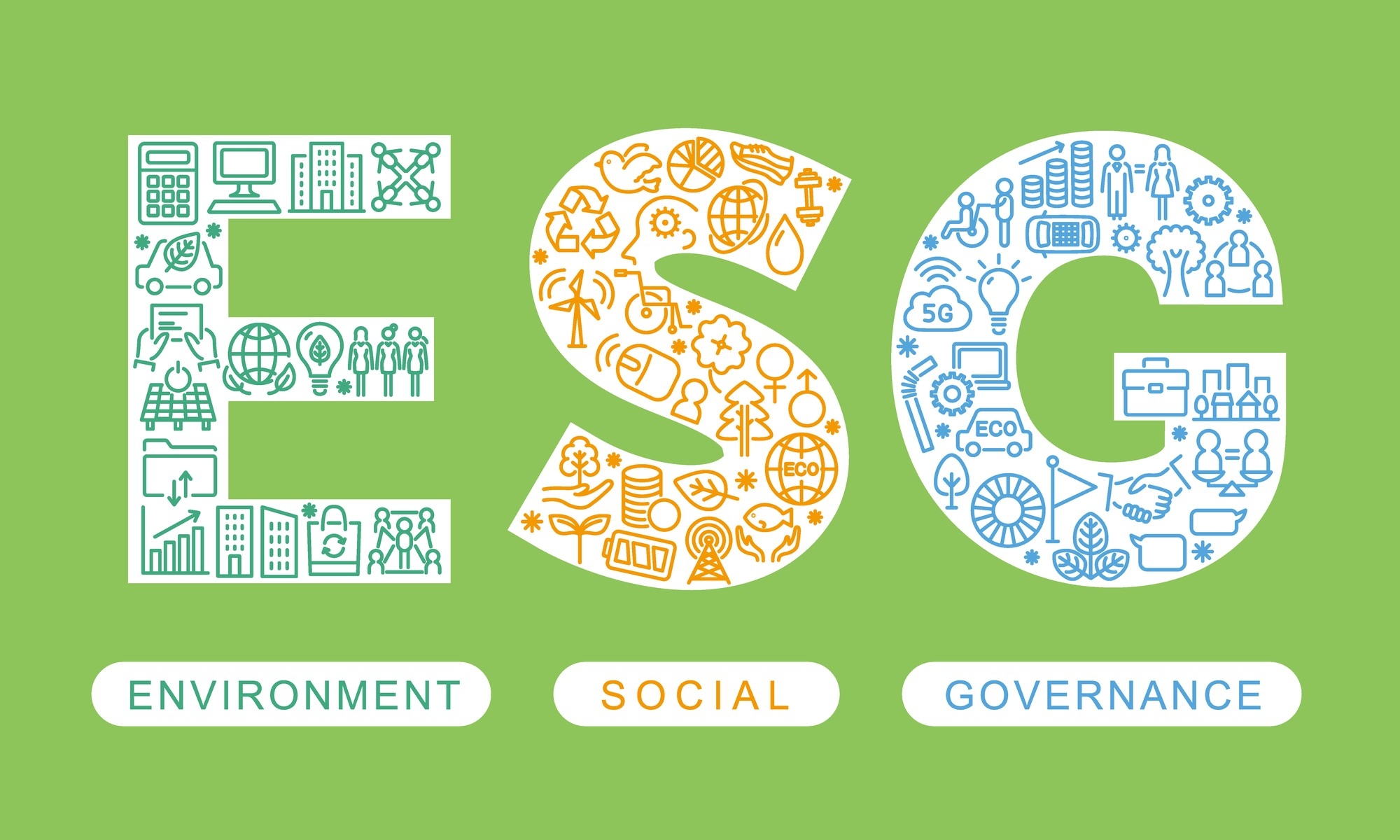
WHAT IS ESG: ENVIRONMENTAL, SOCIAL, AND GOVERNANCE
Definition:
ESG stands for Environmental, Social, and Governance, and it refers to a set of criteria that investors, stakeholders, and organizations use to assess the sustainability and ethical impact of a company's operations and practices. ESG factors are considered alongside financial metrics to evaluate a company's overall performance and long-term viability.
Components:
Environmental (E): This facet examines a company's influence on the natural surroundings. It encompasses factors such as energy efficiency, carbon emissions, methods for handling waste, preservation of resources, and strategies to address the challenges posed by climate change.
Social (S): The societal dimension scrutinizes a company's interactions with its workforce, clients, local communities, and other stakeholders. This encompasses elements such as cultivating diversity and inclusivity, labor policies, safeguarding human rights, promoting health and safety, and engaging with the community.
Governance (G): Governance revolves around a company's leadership, the transparency of its operations, and the processes driving decision-making. This involves facets such as the composition of the board of directors, executive compensation structures, audit methodologies, safeguarding shareholder rights, and upholding ethical conduct.
Importance:
ESG has garnered attention because of the realization that a company's prosperity encompasses more than just financial profits. Investors and interested parties are progressively focused on how a company influences society, the natural world, and its skill in handling risks adeptly. The incorporation of ESG considerations into corporate strategies has the potential to bolster reputation, diminish risks, elevate long-term financial outcomes, and fortify the capacity to tackle upcoming hurdles.
Drivers:
Investor Demand: Many institutional investors are incorporating ESG considerations into their investment decisions to align with values and manage risks.
Regulatory Environment: Governments and regulatory bodies are implementing policies that require greater ESG transparency and accountability.
Consumer Preferences: Conscious consumers are more likely to support companies that demonstrate ethical and sustainable practices.
Talent Attraction: Companies with strong ESG profiles are better positioned to attract and retain top talent.
Implementation: Companies adopt various strategies to address ESG concerns, such as setting sustainability goals, improving supply chain transparency, developing diverse and inclusive workplaces, adopting clean technologies, and enhancing board independence.
Reporting: ESG reporting involves disclosing relevant data and information about a company's ESG performance. This can be done through sustainability reports, integrated financial reports, and standardized reporting frameworks such as the Global Reporting Initiative (GRI) and the Sustainability Accounting Standards Board (SASB).
Conclusion:
ESG is a holistic approach to evaluating a company's impact on society, the environment, and governance practices. It reflects a growing recognition that responsible business practices are crucial for long-term success, fostering positive outcomes for not only investors but also employees, communities, and the planet.
ESG REPORTING FOR INDUSTRIES
ESG reporting refers to the practice of disclosing a company's performance and impact across environmental, social, and governance (ESG) criteria. This practice is particularly important for industries as it allows stakeholders, including investors, customers, employees, and regulators, to assess a company's sustainability efforts and its broader societal impact. ESG reporting helps to create transparency, accountability, and can drive positive changes within industries. Here's how ESG reporting typically applies to various industries:
Energy and Utilities:
Environmental: Report on energy efficiency, carbon emissions, water usage, waste management, and renewable energy investments.
Social: Address safety measures for employees and communities, engagement with local stakeholders, and efforts to provide reliable and affordable energy.
Governance: Disclose board structure, executive compensation, anti-corruption policies, and regulatory compliance.
Finance and Banking:
Environmental: Disclose environmental risks related to investments, green finance initiatives, and efforts to reduce the carbon footprint of operations.
Social: Report on fair lending practices, financial inclusion efforts, and support for local communities.
Governance: Highlight diversity on boards, risk management strategies, and ethical decision-making frameworks.
Technology:
Environmental: Detail energy-efficient product design, data center sustainability, and efforts to reduce electronic waste.
Social: Address user data privacy, cybersecurity measures, and contributions to digital inclusion.
Governance: Report on data governance, handling of controversial technologies, and board oversight of privacy issues.
Manufacturing:
Environmental: Report on emissions reduction, resource efficiency, waste management, and supply chain sustainability efforts.
Social: Detail labor practices, worker safety, community engagement, and supply chain working conditions.
Governance: Address corporate ethics, supply chain management, and efforts to prevent corruption.
Healthcare and Pharmaceuticals:
Environmental: Highlight efforts to minimize waste from packaging, research energy-efficient facilities, and reduce environmental impacts of manufacturing.
Social: Report on access to affordable healthcare, patient safety, clinical trial transparency, and contributions to public health.
Governance: Detail pricing ethics, data protection, and efforts to ensure the integrity of medical research.
Retail and Consumer Goods:
Environmental: Address sustainable sourcing, packaging waste reduction, and efforts to promote responsible consumption.
Social: Report on labor practices in the supply chain, diversity and inclusion efforts, and community engagement.
Governance: Highlight corporate governance practices, fair business dealings, and efforts to prevent human rights abuses.
Transportation:
Environmental: Detail efforts to reduce emissions through fuel efficiency, electric vehicle adoption, and sustainable logistics.
Social: Report on safety measures, accessibility, and contributions to local transportation infrastructure.
Governance: Address transparency in emissions reporting, regulatory compliance, and board oversight of safety protocols.
Remember that ESG reporting is not a one-size-fits-all approach. Different industries may have unique ESG issues and reporting metrics based on their operations, impacts, and stakeholder expectations. It's important for companies to tailor their ESG reporting to their specific industry context and continuously improve their sustainability performance.
LAWS, RULES, REGULATION & LEGISLATION
Bangladesh PERSPECTIVE
As of my last update in September 2021, Bangladesh had been focusing on various sustainability initiatives, including environmental, social, and governance (ESG) considerations. However, please note that the situation may have evolved since then. Here are some key points related to ESG in Bangladesh:


